Piglet and Duckling Pondside Friends: A Guide to Choosing the Right Embroidery Design
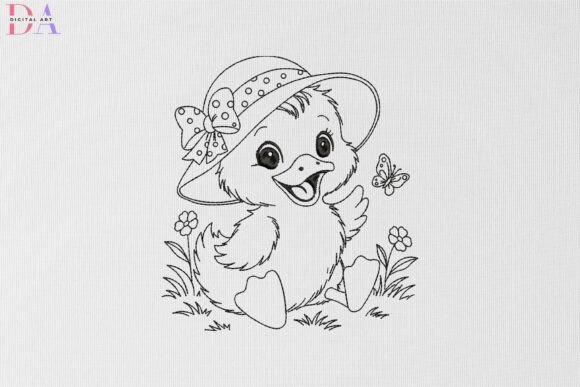
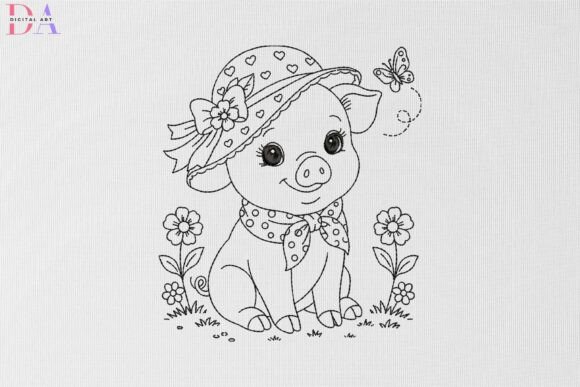
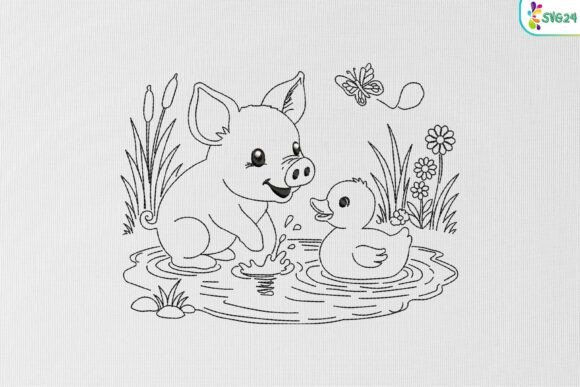
There is a distinct warmth in bringing countryside charm into your home through needlework. The Piglet and Duckling Pondside Friends design captures this feeling perfectly, depicting an adorable piglet and duckling sharing a playful moment beside a peaceful pond. Surrounded by blooming flowers, swaying reeds, gentle water ripples, and a graceful butterfly, this artwork celebrates the innocence of friendship and the quiet beauty of nature. For those looking to add personality to baby blankets, nursery accessories, or handmade keepsakes, this scene offers a joyful composition filled with storytelling potential. However, selecting the right digital file for such a detailed scene requires more than just admiring the thumbnail image. Many crafters overlook critical technical details that can turn a charming concept into a frustrating stitching experience.
Understanding the Complexity Behind the Charm
At first glance, the Piglet and Duckling Pondside Friends appears to be a simple illustration suitable for any skill level. The cheerful interaction between the animals and the natural surroundings creates a balanced visual appeal that seems easy to replicate. Yet, the very elements that make this design special—the clean outlines, the delicate flower petals, the texture of the water splashes, and the intricate wing patterns of the butterfly—demand careful attention during the digitization process. If you are new to machine embroidery or even if you are an experienced professional, it is vital to understand that "cute" does not always mean "simple."
The design includes multiple layers of detail: the farm animals' expressions, the movement in the water, and the surrounding flora. When these elements are not properly converted into stitch data, the result can be a dense, tangled mess rather than a crisp, charming scene. Understanding the difference between a raster image (a picture) and a vector-based embroidery file is the first step in avoiding disappointment. A high-resolution JPEG might look beautiful on a screen, but without proper digitization, it cannot guide your machine's needle accurately.
Common Pitfalls in Selecting Embroidery Files
One of the most frequent mistakes makers make when purchasing designs like Piglet and Duckling Pondside Friends is ignoring the stitch count relative to the hoop size. This specific design features a wide composition including the pond, the animals, and the background foliage. If you attempt to stitch this entire scene in a small 4x4 inch hoop without splitting the design, you will likely encounter registration issues where the animals do not align correctly with the pond or flowers. This leads to wasted fabric, thread consumption, and a final product that looks distorted.
Another overlooked detail is the type of stabilizer required. Because the design includes fine details like the butterfly wings and the ripples in the water, using insufficient stabilization can cause the fabric to pucker. This is particularly true for soft items like baby blankets or tote bags. If the fabric shifts under the needle, the delicate lines of the piglet and duckling will lose their definition, resulting in a muddy appearance that lacks the intended clarity. Many beginners assume that all cotton fabrics behave the same way, but stretchy knits or loosely woven linens require different preparation than tightly woven quilting cotton.
Furthermore, color management is often misunderstood. The description mentions a palette inspired by springtime gardens and peaceful landscapes. While the preview might show vibrant greens and blues, the actual thread colors available in your kit may not match the digital rendering perfectly. Relying solely on the computer simulation can lead to a finished piece that looks dull or mismatched. It is essential to consider how thread sheen and weight affect the final look, especially in areas with high contrast like the dark outlines against the light water.
Avoiding Technical Errors Before You Stitch
To ensure your project succeeds, you must evaluate the file specifications before downloading or buying. First, check the maximum dimensions of the design. Does the Piglet and Duckling Pondside Friends file fit within your machine's largest hoop? If the design exceeds your hoop capacity, you need to verify if the seller provides a split version or if you are willing to use a walking foot for large-format embroidery. Attempting to force a large design into a small hoop is a primary cause of mechanical jams and poor stitch quality.
Secondly, inspect the stitch density map if it is available. High-density areas, such as the body of the piglet or the cluster of flowers, require precise pull compensation. If the digitizer has not accounted for thread tension, the fabric may sink into the stitches, creating dimples that ruin the flat surface needed for wall hangings or table runners. A well-digitized file will balance satin stitches for outlines and fill stitches for larger areas to maintain structural integrity without excessive bulk.
Finally, consider the intended application. If you plan to embroider this on children's clothing or aprons, the back of the design must be clean. Poorly managed jump stitches or excessive trims can leave a rough texture against the skin, which is uncomfortable for babies and toddlers. Always test the design on a scrap piece of the same fabric you intend to use. This simple step allows you to adjust tension, change stabilizers, or tweak the hoop placement before committing to your precious materials.
Maximizing the Potential of Your Project
When chosen and executed correctly, the Piglet and Duckling Pondside Friends design becomes a timeless addition to your collection. Its versatility allows it to transition seamlessly from a nursery mobile to a rustic farmhouse quilt. By paying attention to the technical requirements, you preserve the joyful energy and visual appeal of the original artwork. The playful splash in the water and the blooming flowers should enhance the piece, not detract from it through poor execution.
For entrepreneurs and small business owners selling handmade goods, the quality of the embroidery directly impacts perceived value. A crisp, well-stitched design suggests professionalism and care, while a puckered or misaligned piece can damage your reputation. Investing time in understanding the nuances of this specific design ensures that your final products meet the high standards expected by animal lovers and embroidery enthusiasts alike.
Ultimately, the goal is to capture the essence of the countryside landscape and the happiness of outdoor adventures in every stitch. By avoiding common pitfalls regarding hoop size, stabilizer choice, and thread selection, you transform a digital file into a tangible memory. Whether you are decorating a decorative pillow or creating a unique gift, taking these practical steps ensures that the friendship between the piglet and the duckling shines through clearly, bringing warmth and charm to your home or business.