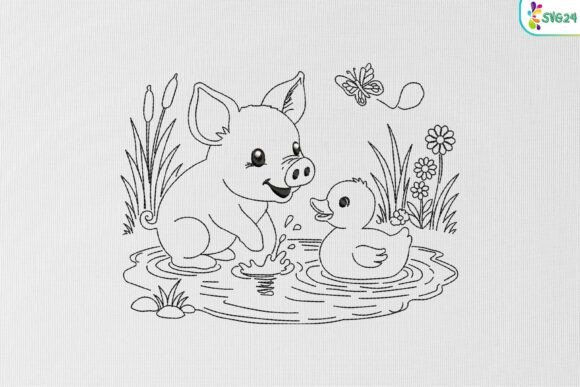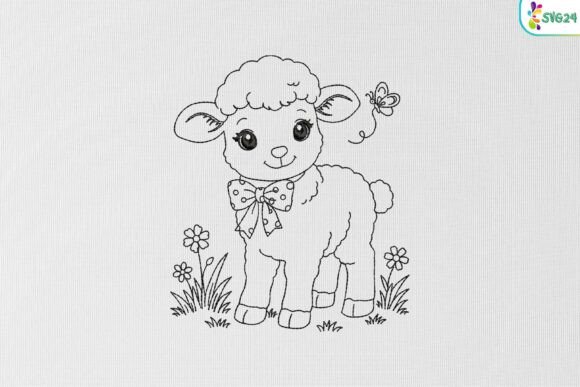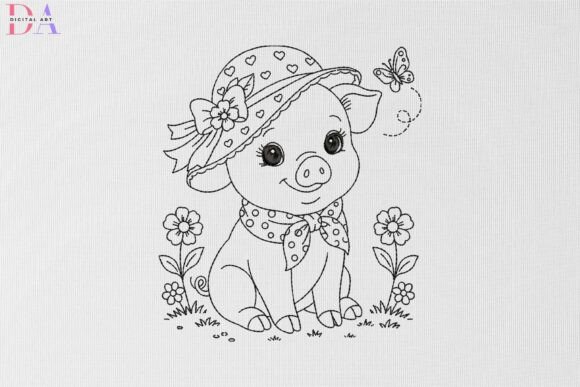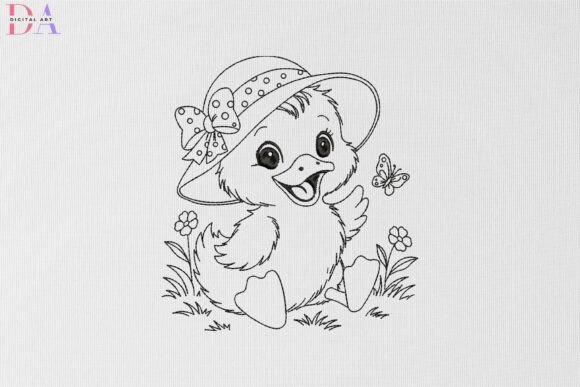
Cute Cow with Flower Butterfly Bow Charm: A Practical Guide for Embroidery Workflows
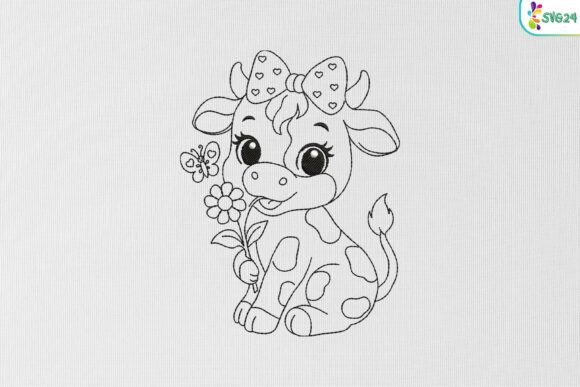
Integrating a specific design element like the Cute Cow with Flower Butterfly Bow Charm into an embroidery project requires more than just selecting a file and hitting start. For professionals, boutique owners, and serious hobbyists, this character represents a strategic asset that can elevate product lines, streamline creative planning, and enhance brand identity. The design features a friendly baby cow adorned with floral accents, a delicate butterfly, and a heart-pattern bow. Understanding how to deploy this motif effectively involves considering fabric compatibility, color theory, placement strategy, and the broader context of your production workflow.
Defining the Design Asset and Its Role in Production
The Cute Cow with Flower Butterfly Bow Charm is not merely a decorative image; it is a versatile component within a larger manufacturing or crafting ecosystem. In the context of digital embroidery, this design serves as a focal point that combines rustic farmyard themes with whimsical, feminine details. The expressive eyes and playful posture of the cow provide immediate visual engagement, while the flower and butterfly elements add layers of texture and complexity that require careful execution.
For a small business owner or a freelancer, this asset fits into the pre-production phase where design selection dictates material choices and pricing models. Unlike generic patterns, this specific charm offers a distinct aesthetic that appeals to niche markets such as nursery decor, children's apparel, and farmhouse-style home goods. When evaluating new designs for a collection, creators must assess how well the Cute Cow with Flower Butterfly Bow Charm aligns with their existing inventory, target demographic, and seasonal trends. Its timeless nature ensures it remains relevant across multiple collections, reducing the risk of inventory obsolescence.
Pre-Project Planning and Preparation
Before the needle ever touches the fabric, successful implementation of the Cute Cow with Flower Butterfly Bow Charm relies on thorough preparation. This stage involves digitizing verification, stabilizer selection, and thread mapping. Because the design includes fine details like the butterfly wings and the intricate heart pattern on the bow, the stitch density and underlay settings are critical. Creators should test the design on a scrap piece of the intended fabric to ensure the delicate lines do not pucker or lose definition.
Color planning is another essential step in the workflow. The charm works best when the floral and bow elements contrast slightly with the cow's body to create depth. When sourcing threads, consider the longevity of the colors, especially if the final product will be washed frequently, such as baby clothing or tote bags. Organizing these materials beforehand prevents bottlenecks during the actual stitching process. By treating the design selection as a logistical decision rather than just an artistic one, producers can maintain consistency across batches and reduce waste.
Integration into Diverse Product Categories
The versatility of the Cute Cow with Flower Butterfly Bow Charm allows it to interact seamlessly with various substrates and product types. In the realm of apparel, this design is particularly effective on cotton blends used for t-shirts, bibs, and onesies. The soft curves of the cow complement the drape of fabric, while the bow and flower add a structured element that stands out against flat surfaces. For nursery accessories, such as pillow covers and quilt blocks, the design acts as a central medallion, anchoring the overall theme of the room.
When moving into home decor, the charm adapts well to heavier fabrics like canvas or linen, which are common for tote bags and throw pillows. Here, the workflow shifts from garment construction to upholstery techniques. The durability of the embroidery must match the usage of the item; a pillow cover requires tighter stitching to withstand friction, whereas a decorative wall hanging can utilize looser, more artistic stitches. Understanding these interactions helps creators tailor the digitized file to the specific end-use, ensuring quality control is maintained regardless of the product category.
Strategic Placement and Composition
Where the design is placed on the final product significantly impacts its perceived value and aesthetic appeal. For children's apparel, centering the Cute Cow with Flower Butterfly Bow Charm on the chest creates a classic look that draws attention to the face. Alternatively, placing it near the hemline or on a sleeve cuff offers a subtle, modern twist. In the case of tote bags, positioning the charm near the top edge ensures visibility when carried, while centering it on the front panel maximizes impact for display purposes.
Composition also matters when combining this charm with other design elements. It pairs exceptionally well with simple typography, such as a child's name or a short inspirational phrase, without overwhelming the text. However, over-cluttering the design area can diminish the charm's impact. Creators should use grid systems or hoop guides to ensure consistent placement across multiple items, which is crucial for maintaining a professional appearance in boutique collections or craft fair displays.
Workflow Optimization and Efficiency
Efficiency in embroidery production hinges on minimizing setup time and maximizing machine uptime. The Cute Cow with Flower Butterfly Bow Charm can be optimized for batch production by creating a standardized file set that includes different size variations. This allows manufacturers to quickly switch between producing a small appliqué for a hat and a larger version for a quilt block without re-digiting the entire concept. Utilizing multi-head machines further accelerates this process, enabling simultaneous production of personalized gifts or boutique products.
Organization plays a key role in managing the workflow. Keeping a library of tested files, complete with notes on stabilizer types and thread counts, streamlines future projects. If a client requests a modification, such as changing the bow color or adjusting the flower size, having a clean, layered base file makes these edits rapid and error-free. This approach supports scalability, allowing small businesses to handle custom orders alongside bulk production without sacrificing quality or deadlines.
Quality Control and Long-Term Viability
Maintaining high standards is essential for building a reputation in the handmade and embroidered goods market. Quality control checks should focus on the integrity of the delicate butterfly wings and the clarity of the heart pattern on the bow. These are the most vulnerable parts of the design where loose threads or misaligned stitches are most noticeable. Implementing a final inspection step before packaging ensures that every product featuring the Cute Cow with Flower Butterfly Bow Charm meets professional standards.
Long-term viability depends on the design's ability to adapt to evolving trends while retaining its core appeal. The combination of animal motifs, florals, and bows has proven enduring in the crafting world. By periodically refreshing the color palettes to match seasonal fashion trends, creators can keep the design fresh without altering the fundamental structure. This strategy extends the lifecycle of the asset, making it a reliable revenue generator for years to come. Whether used for educational workshops, personal creative goals, or commercial enterprise, this charming cow design offers a robust foundation for successful embroidery projects.