Leaf Botanical Ornament Embroidery: A Timeless Design for Versatile Creativity
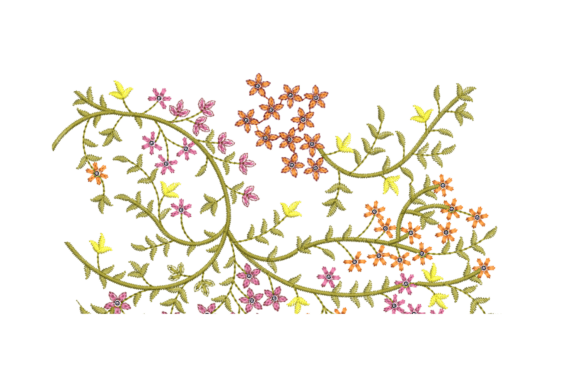
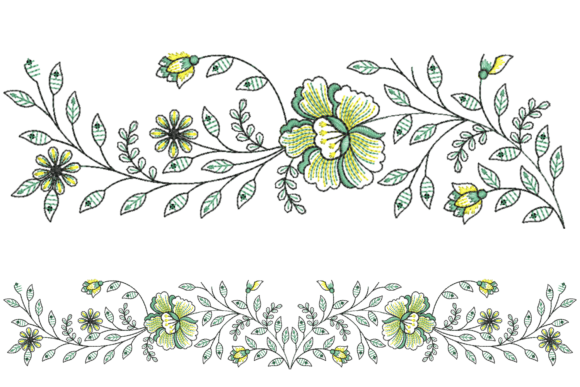
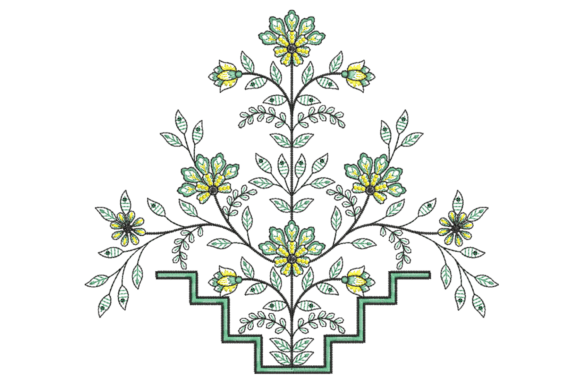
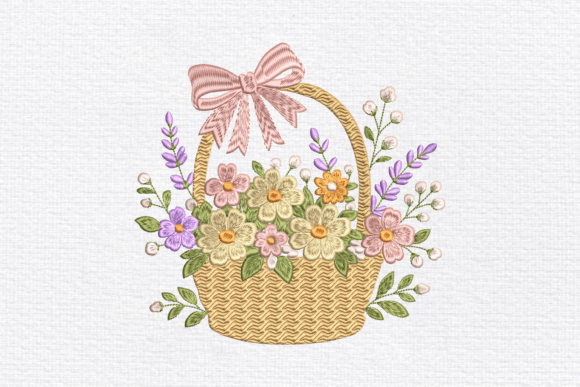
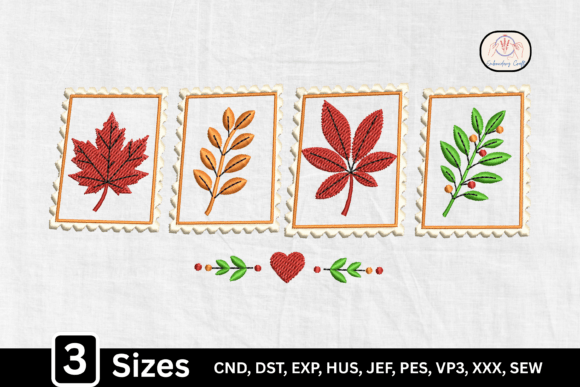
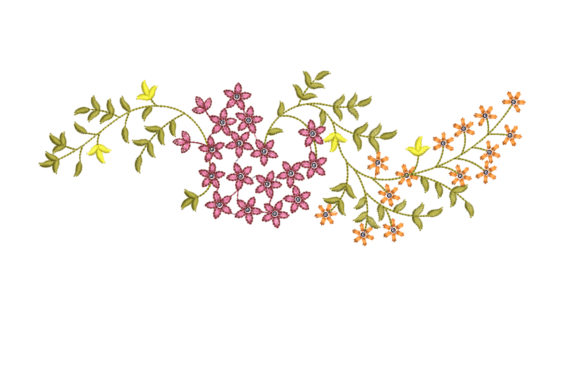
The Leaf Botanical Ornament Embroidery stands out as a refined and versatile design that blends natural elegance with decorative artistry. At its core, this embroidery pattern features a meticulously detailed leaf, enhanced by flowing botanical elements that create a balanced and harmonious composition. Unlike more rigid or geometric embroidery styles, this design embraces organic curves and soft transitions, making it a natural fit for projects that call for a subtle yet sophisticated aesthetic.
Distinctive Characteristics of Leaf Botanical Ornament Embroidery
What sets the Leaf Botanical Ornament Embroidery apart is its thoughtful balance between simplicity and ornamentation. The central leaf motif is not just a botanical representation—it's a stylized form that integrates seamlessly with surrounding decorative flourishes. This interplay gives the design a layered depth that avoids overwhelming the eye while still offering visual interest.
The natural curves of the leaf guide the viewer’s eye through the composition, creating a sense of movement and fluidity. Whether used as a standalone piece or as part of a larger embroidered layout, this design maintains its elegance without demanding excessive space or attention. Its adaptability makes it suitable for both minimalist and more elaborate applications, depending on how it's incorporated into a broader design scheme.
Comparing Leaf Botanical Ornament Embroidery with Similar Styles
When evaluating embroidery designs that lean into botanical themes, several alternatives come into play. Floral motifs, vine scrolls, and abstract leaf patterns are commonly used in similar contexts. However, the Leaf Botanical Ornament Embroidery strikes a unique middle ground between natural realism and decorative stylization.
- Floral Embroidery: Often more dominant and colorful, floral designs can overshadow subtler elements in a project. The leaf-based design offers a quieter elegance, ideal for those who want botanical influence without floral dominance.
- Vine and Scroll Patterns: These tend to be more linear and repetitive, often serving as borders or background elements. In contrast, the leaf design can function as a focal point while still maintaining a decorative role.
- Abstract Leaf Embroidery: While abstract styles offer more artistic freedom, they may lack the structured grace of the Leaf Botanical Ornament version, which balances creativity with clarity of form.
For those exploring design choices, this embroidery style offers a distinct alternative when the goal is to suggest nature without overt literalism. It works especially well when a project calls for a touch of botanical charm that doesn’t dominate the visual narrative.
Strengths and Best-Use Scenarios
The Leaf Botanical Ornament Embroidery shines in applications where understated elegance is key. Its versatility allows it to be scaled and adapted for different mediums, making it suitable for:
- Garments: Adds a refined accent to collars, cuffs, and hems without overwhelming the fabric.
- Home Décor: Enhances linens, curtains, and cushions with a soft botanical motif that complements both modern and traditional interiors.
- Accessories: Perfect for adding a decorative touch to handbags, scarves, and hats where subtlety meets sophistication.
One of its strongest attributes is its ability to blend with various color palettes and fabric types. Whether stitched in monochrome for a minimalist effect or in rich, earthy tones for a natural look, the design adapts gracefully. It also pairs well with other embroidery elements, making it a strong candidate for custom or layered embroidery projects.
Tradeoffs and Considerations
While the Leaf Botanical Ornament Embroidery offers many benefits, it’s not universally ideal. Its detailed nature means it may not be the best choice for very small or highly simplified projects. For instance, on tiny accessories like baby booties or minimalist patches, the intricate botanical flourishes might get lost or appear cluttered.
Additionally, because the design leans toward a classic and somewhat formal aesthetic, it may not suit projects that aim for a more casual, modern, or edgy vibe. In such cases, simpler geometric or abstract patterns might be more appropriate.
Another consideration is stitch count and thread usage. The ornamental details, while elegant, can increase the complexity of the embroidery, potentially affecting production time and material costs—especially in commercial applications or large-scale personal projects.
When to Choose Leaf Botanical Ornament Embroidery
This design is particularly well-suited for:
- Those seeking a botanical motif that doesn’t rely on flowers.
- Projects that require a touch of elegance without overt ornamentation.
- Designers looking for a versatile embroidery that works across multiple formats and sizes.
If your goal is to evoke nature in a refined, artistic way, the Leaf Botanical Ornament Embroidery is a strong contender. It serves as a bridge between functional design and decorative art, making it a valuable addition to both personal and professional embroidery portfolios.
Alternatives to Consider
Depending on the project’s tone and intended audience, other embroidery styles may offer a better fit. For example:
- Minimalist Leaf Outlines: Offer a simpler, more modern interpretation of botanical design.
- Geometric Embroidery: Provides structure and boldness for contemporary or industrial aesthetics.
- Textured Stitch Patterns: Focus on fabric manipulation rather than imagery, offering a tactile alternative.
Each of these options brings its own strengths to the table. The key is to align the embroidery choice with the overall vision of the project, considering factors like visual weight, complexity, and thematic consistency.
Making an Informed Choice
Ultimately, the decision to use the Leaf Botanical Ornament Embroidery should stem from a clear understanding of the project’s goals and constraints. It excels in environments where natural inspiration meets artistic refinement. However, it’s important to weigh its ornamental qualities against the practical needs of the medium—whether that’s fabric type, size limitations, or intended use.
For those comparing embroidery options, it’s worth testing the design at different scales and in various color schemes to see how it integrates with the intended application. Sampling can reveal how the design holds up in both close-up and broader contexts, helping ensure it aligns with both aesthetic and functional expectations.