Cute Fox Embroidery Patch Design: A Practical Guide
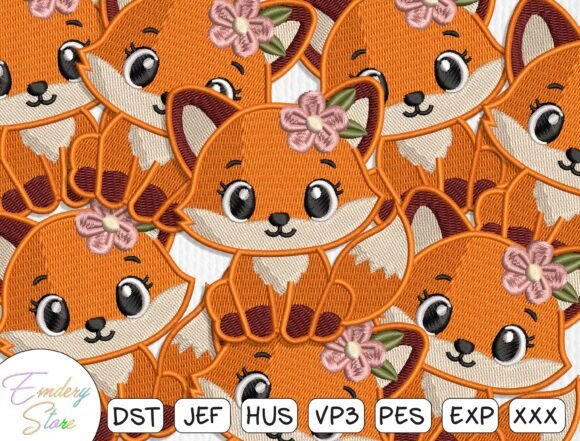
The Cute Fox Embroidery Patch Design has become a staple in the world of textile crafts, appealing to those who appreciate woodland aesthetics and kawaii-inspired art. These digital patterns are specifically engineered for embroidery machines or hand stitching, offering a structured approach to creating adorable fox motifs. Unlike generic animal illustrations, these designs prioritize specific visual elements such as large sparkling eyes, fluffy tails, and soft flower accents. Understanding the technical and aesthetic components of this design category is essential for crafters looking to integrate them into clothing, nursery décor, or handmade gifts effectively.
Understanding the Design Elements
A standard Cute Fox Embroidery Patch Design typically consists of multiple layers of stitching instructions that create depth and texture. The core of the design relies on clean satin stitch outlines, which provide a polished border that defines the shape of the fox against the fabric background. Inside these borders, detailed fill stitching creates the warm orange tones and soft pastel colors characteristic of the style. This combination of techniques results in a professional appearance that mimics the look of commercial patches while allowing for customization in thread color and size.
The "kawaii" or cute style is not merely a matter of subject matter; it is defined by the proportions used in the digitization. Baby foxes with oversized heads and eyes are created using specific stitch densities to ensure the features remain distinct without becoming muddy. Additionally, decorative flower accents are often integrated into the composition, requiring careful planning regarding thread tension and stabilizer use to prevent puckering on delicate fabrics.
Reasons for Interest in Woodland Embroidery
Crafters and DIY enthusiasts often seek out the Cute Fox Embroidery Patch Design for several practical reasons. First, there is a strong market demand for personalized children's accessories. Parents and gift-givers frequently look for unique ways to decorate baby outfits, backpacks, and hoodies. A fox motif offers a gender-neutral yet playful option that fits well within current trends for woodland-themed nurseries.
Secondly, the versatility of these designs allows for application across various mediums. Whether the goal is to add a decorative element to a tote bag, reinforce a worn area of a jacket with an appliqué-style patch, or create a cushion cover, the design serves multiple functional purposes. For hobbyists, these projects offer a manageable scope; they are complex enough to be satisfying but generally quick to complete compared to large-scale portraits or intricate landscapes.
Benefits and Tradeoffs
Utilizing a pre-digitized Cute Fox Embroidery Patch Design offers significant time savings. Creating a balanced cartoon character from scratch requires advanced knowledge of digitizing software to manage stitch direction, density, and underlay. By using a established design, the crafter can focus on execution rather than technical creation. The resulting product usually boasts a consistent, high-quality finish due to the optimized stitch paths inherent in professional designs.
However, there are tradeoffs to consider. Pre-made designs limit creative freedom regarding the exact shape or pose of the animal. If a crafter needs a specific interaction between the fox and another element, a stock design may require modification, which can introduce errors if the user lacks advanced editing skills. Furthermore, the reliance on satin stitches means that the design may not translate well to very stretchy fabrics without proper stabilization, potentially leading to distortion over time.
Considerations for Fabric and Thread
When selecting a project for this design, the choice of fabric is critical. The dense fill stitching required for the fox's fur and the crisp satin borders work best on medium-to-heavyweight fabrics like denim, canvas, or felt. On lightweight materials such as silk or thin cotton, the weight of the thread can cause the fabric to pucker or warp. In these situations, using a tear-away or cut-away stabilizer is non-negotiable to maintain the integrity of the design.
Thread selection also impacts the final outcome. While the design description mentions warm orange tones, the actual result depends on the sheen and thickness of the thread used. Polyester threads offer durability and vibrant color retention, making them ideal for items that will be washed frequently, such as children's clothing. Rayon threads provide a softer luster, which may be preferable for decorative home goods like cushions where wash frequency is lower.
Situations Where the Design Is a Strong Fit
The Cute Fox Embroidery Patch Design is particularly effective in scenarios requiring durable, eye-catching embellishments. It is an excellent choice for:
- Children's Wear: Jackets, hoodies, and bibs benefit from the playful aesthetic and the durability of embroidered patches, which withstand rough play better than printed graphics.
- Nursery Décor: Wall hangings, pillow covers, and mobile decorations align perfectly with the woodland theme, adding a cohesive touch to a child's room.
- Upcycling Projects: Adding these patches to old denim jackets or tote bags provides a fresh look without the need for extensive sewing skills.
- Gift Giving: For those seeking handmade gifts, these designs allow for the creation of personalized items that feel thoughtful and high-quality.
When Alternatives May Be Worth Considering
Despite its popularity, the Cute Fox Embroidery Patch Design may not be the optimal solution for every project. If the target audience prefers a minimalist or realistic artistic style, the exaggerated features of a kawaii fox might clash with the desired aesthetic. In such cases, a more naturalistic wildlife illustration or a simple line-art design would be more appropriate.
Additionally, for projects involving highly textured or uneven surfaces, such as knitted sweaters or thick fleece, traditional flat embroidery patches can be challenging to apply smoothly. In these instances, alternatives like heat-transfer vinyl (HTV) or screen printing might offer a flatter, less intrusive finish. Similarly, if the budget is extremely tight and the volume of production is high, digital printing on fabric may be more cost-effective than the time-intensive process of machine embroidery.
Practical Decision-Making Insights
To determine if this design aligns with your goals, evaluate the intended lifespan of the item. Embroidered patches are known for their longevity; they resist fading and cracking better than many other decoration methods. If the item is meant to be a keepsake or a daily-use garment for a child, the investment in time and materials for embroidery is justified.
Furthermore, assess your technical capabilities. If you are new to embroidery, starting with a design that includes clear satin stitch borders and moderate fill density, like the Cute Fox set, is advisable. Avoid attempting overly complex variations until you have mastered tension control and stabilizer placement. Finally, consider the color palette. While the standard design uses warm oranges and pastels, ensure these colors complement the base fabric. Testing a small swatch before committing to a full project can prevent wasted resources and ensure the final product meets your expectations.
In conclusion, the Cute Fox Embroidery Patch Design offers a reliable and charming option for enhancing textiles. By understanding its technical requirements and aesthetic strengths, crafters can make informed decisions about its application, ensuring that the final result is both beautiful and functional.